The Expired Film Hunters: Chasing Color Chaos in Forgotten Stock
Somewhere in a storage unit in Phoenix, there are four bricks of Kodak Ektachrome 64 that have been sitting since 1987. They're not refrigerated. The foam seals on the canisters are probably toast. The dye layers inside have been slowly, quietly shifting for 37 years.
To most people, that's trash. To a certain kind of film photographer, it's treasure.
The expired film underground is real, it's growing, and the images coming out of it look like nothing else in photography right now — not vintage, not retro, not filtered. Something genuinely stranger and more beautiful than any of those words suggest.
What Actually Happens When Film Gets Old
To understand why expired film does what it does, you need a quick detour into how color film is constructed. A standard color negative film has multiple emulsion layers — typically one sensitive to red light, one to green, one to blue. Each layer contains silver halide crystals suspended in gelatin, along with dye couplers that produce the color information during development.
Over time, several things happen to those layers, and they don't all happen at the same rate. That's the key.
Silver halide degradation is the most straightforward effect. The crystals that respond to light lose sensitivity over time, which means you lose effective ISO. The standard rule of thumb is to add one stop of exposure for every decade past expiration — though this varies wildly depending on storage conditions.
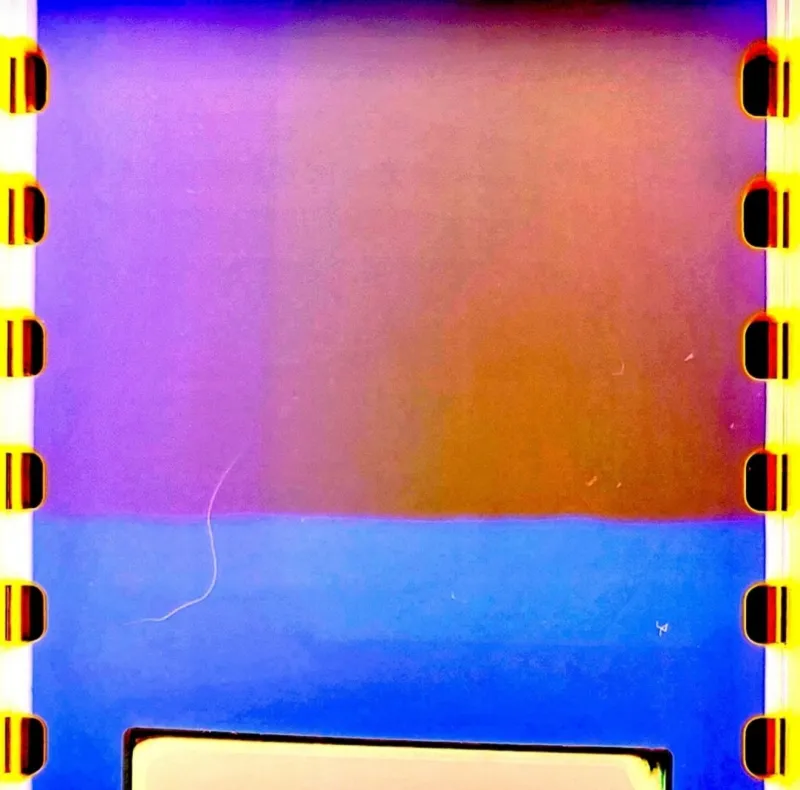
Dye coupler shifts are where it gets interesting. The three color layers degrade at different rates. The blue-sensitive layer tends to go first, which is why a lot of expired color negative film develops a warm, yellow-orange cast. The reds often hold longer. The greens shift in their own unpredictable direction depending on the specific stock and how it was stored.
Fog — a kind of baseline exposure across the entire frame — builds up over time and reduces contrast, giving expired film that dreamy, veiled quality that's become so sought after.
The result is color that no filter can fully replicate, because it's not just a shift in hue — it's a structural change in how the film records reality.
Finding the Good Stuff
So where do you actually find expired film worth shooting?
Estate sales are the holy grail. Camera gear in the United States passes through estate sales constantly, and film often comes with it — tucked in camera bags, stored in mini-fridges, sitting in boxes of darkroom supplies. Apps like EstateSales.net let you search locally. Show up early, and don't overlook the kitchen (people refrigerate film, and estate sale workers often don't know what they're looking at).
Camera stores with old inventory are another underrated source. Independent shops that have been around for decades sometimes have back-room stock they've never fully catalogued. Ask specifically about expired film — some shops just give it away.
eBay and Etsy have robust expired film markets. Sellers range from estate sale flippers to photographers clearing out their own stashes. Key things to look for in listings: storage conditions (refrigerated is better, but room temp isn't disqualifying), the specific stock name, and the expiration date. Pre-2000 color film is generally more interesting than early 2000s stock.
Thrift stores in college towns and neighborhoods with older populations occasionally turn up film in donated camera bags. It's a long shot, but the price when you find it is usually a dollar or two.
The Photographers Who've Made It Their Thing
There's a real aesthetic movement building around expired stock, and some photographers have developed genuinely distinctive bodies of work from it.
Jessica Tran, based in Portland, has been shooting exclusively expired film for about two years — mostly Fuji consumer stocks from the late 90s and early 2000s that she sources from estate sales across the Pacific Northwest.
"I started because it was cheap," she says. "I stayed because the results were unlike anything I could get otherwise. There's a warmth and a softness that feels lived-in. Like the film already has a history before I put anything on it."
Her portraits have a particular quality — faces rendered in slightly shifted warm tones against backgrounds that have gone slightly magenta or green — that her clients specifically seek out. She's built a waiting list.
"I can't fully predict what I'm going to get," she says. "That's not a problem. That's the whole thing."
In New York, street photographer Omar Reyes has been hunting for Kodachrome — the legendary slide film discontinued in 2010 — and shooting it knowing it can no longer be properly processed. He cross-processes it in C-41 chemistry and gets results that are genuinely unlike anything else: heavy grain, blown-out contrast, color shifts that move from frame to frame.
"People ask me how I got that look and I tell them the truth: I bought film that's been sitting in someone's attic since the Clinton administration and ran it through the wrong chemicals," he says. "There's no app for that."
A Practical Guide to Testing Expired Stock
If you're new to expired film, here's how to approach it without completely wasting your shots.
Shoot a test roll first. Before you commit a whole session to an unknown stock, run a test roll with consistent, controlled exposures. Shoot a gray card or a neutral outdoor scene at box speed, then at +1, +2, and +3 stops. When you get the results back, you'll have a clear picture of where the film actually sits.
Push your exposure, not your development. The standard expired film advice is to overexpose — give the film more light to compensate for lost sensitivity. Don't push the development time to compensate; that tends to amplify fog and crush the shadows in ugly ways. Overexpose in camera, develop normally.
Store it cold if you're not shooting it immediately. A refrigerator slows the degradation process significantly. Freezing slows it even more. Let the film come to room temperature before loading it to avoid condensation inside the canister.
Embrace the variance. Different rolls of the same stock from the same source can produce noticeably different results depending on their individual storage history. This isn't a defect. It's the medium telling you something about where it's been.
The Color You Can't Buy
Film stocks from the 80s and 90s were engineered to render color in specific ways that modern stocks don't replicate — different dye formulations, different grain structures, different contrast curves. Thirty or forty years of degradation takes those differences and amplifies them into something genuinely new.
You can spend a long time in Lightroom trying to get that warm, fogged, slightly-off-register look that a roll of 1994 Fuji 400 gives you naturally. You'll get close. You won't get there.
The expired film hunters know this. That's why they keep digging through storage units and estate sale boxes and dusty back rooms. The chemistry of time is doing something no preset can touch — and they want to be there when it does.