Wrong Chemistry, Right Results: The Art and Science of Cross-Processing Film
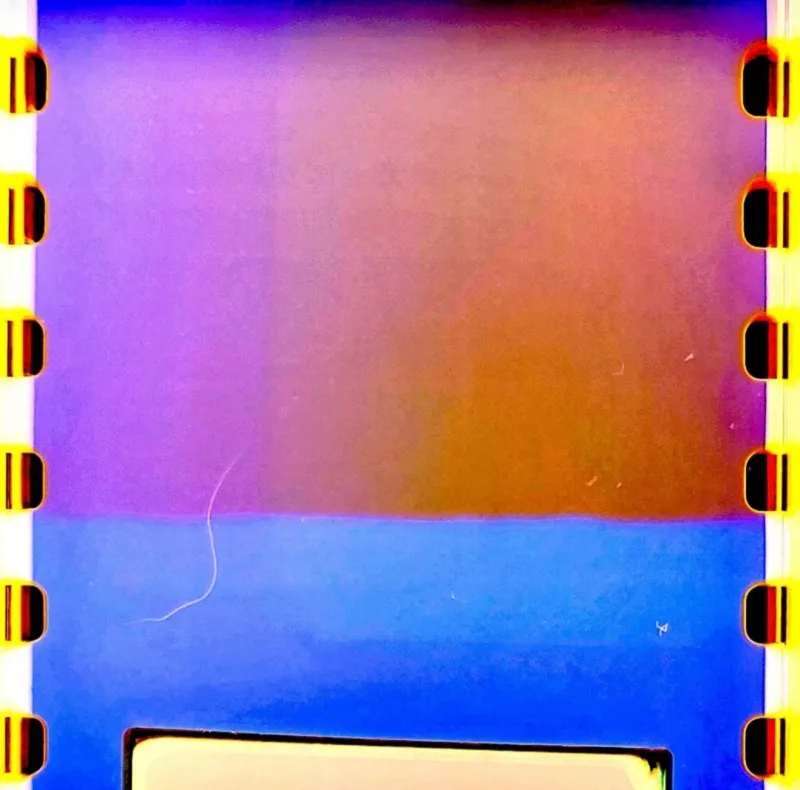
Somewhere in the mid-1980s, a lab technician made a mistake. They ran a roll of slide film through the wrong chemistry — C-41 instead of E-6 — and instead of a ruined roll, they got something strange and electric. Oversaturated greens. Blown-out skies. Shadows that crushed down to a deep, almost violet black. The colors were wrong in every technical sense and absolutely right in every aesthetic one.
That accident became a technique. And after years of being dismissed as a relic of the alternative music press and 90s fashion photography, cross-processing is back — this time wielded deliberately, by photographers who understand exactly what they're doing and why.
What Cross-Processing Actually Is
Let's get the technical foundation straight before we get into the fun stuff.
Color film comes in two main varieties: color negative film (C-41 process) and color reversal film, also called slide or transparency film (E-6 process). These are distinct chemical processes with different developer formulations, temperatures, and timing. Each film type is designed to perform correctly in its corresponding chemistry.
Cross-processing means deliberately developing one film type in the other's chemistry. The two most common configurations are:
E-6 film in C-41 chemistry (slide film in negative chemistry): This is the classic cross-process. Slide films like Kodak Ektachrome, Fuji Velvia, or Fuji Provia, when run through C-41, produce negative images with dramatically shifted color response. Expect elevated contrast, pumped-up saturation, color casts that vary by film stock, and a tonal curve that compresses the midtones and blows out the highlights.
C-41 film in E-6 chemistry (negative film in slide chemistry): Less common and more unpredictable. Color negative films developed in E-6 chemistry tend to produce lower contrast results with murkier, more desaturated color shifts. The results are subtler and often more eerie than the classic E-6-in-C-41 approach — think faded, slightly toxic pastels rather than electric neon.
There's also a third variation worth knowing: black-and-white film developed in color chemistry. This typically produces a near-normal black-and-white image with slight color contamination in the highlights or shadows, depending on the specific chemistry and film. It's the most subtle of the three approaches, but in the right hands, the slight warmth or coolness it introduces can be genuinely beautiful.
The Color Palettes You Can Expect
One of the things that makes cross-processing so compelling — and so technically interesting — is that the results aren't random. Different film stocks produce reliably different color signatures when cross-processed, and learning those signatures is how you go from happy accident to intentional art direction.
Fuji Velvia 50 in C-41: Velvia is already the most saturated film stock in regular use. Run it through C-41 and you get something almost hallucinogenic. Greens go electric. Blues shift toward cyan. Skin tones can go a warm, almost orange direction. The contrast is brutal in the best possible way — great for landscape and editorial work where you want images that demand attention.
Kodak Ektachrome E100 in C-41: More controlled than Velvia but still dramatic. Ektachrome's naturally cooler color balance means cross-processed results tend toward blue-green shadows and warm, slightly yellow highlights. The contrast increase is present but not as extreme. This is probably the most versatile cross-process option for portrait and fashion work.
Fuji Provia 100F in C-41: Provia is a fine-grained slide film with accurate (for slide film) color rendition. Cross-processed, it gives you elevated saturation without Velvia's aggression. The color shifts are present but more nuanced — a good choice if you want the cross-process aesthetic without images that feel like they're screaming at you.
Shooting for the Cross-Process
Here's the thing about cross-processing that a lot of newcomers miss: you need to shoot for it, not just develop for it.
Because cross-processing dramatically increases contrast, scenes that would look fine on correctly processed film can fall apart — highlights blowing out completely, shadows blocking up with no detail. You need to account for this when you're metering and composing.
A few practical guidelines:
Expose conservatively. With E-6 film in C-41, err on the side of slight underexposure — maybe half a stop to a full stop less than your meter recommends. This helps protect the highlights, which are going to get pushed hard by the increased contrast curve.
Seek scenes with natural contrast control. Overcast light, open shade, and golden hour all work better for cross-processing than harsh midday sun. You're already adding contrast in the chemistry — you don't need to stack more on top.
Think about color relationships. Because the color shifts are predictable by stock, you can actually plan for them. If you're shooting Velvia in C-41 and you know greens are going to go electric, lean into that — shoot in environments where that shift enhances the image rather than fights it.
Bracket your exposures. Especially when you're learning a new film stock's cross-process behavior. Shoot the same scene at box speed, one stop under, and one stop over. The differences will teach you more than any amount of reading.
Getting It Done: Labs and DIY
The practical question: how do you actually get film cross-processed in 2024?
Not every lab will do it, and some that will do it aren't necessarily enthusiastic about it. The best approach is to call or email before you send your film and specifically ask about their cross-processing experience and pricing. Labs that work with analog photographers regularly — rather than just processing the occasional roll for a nostalgia shoot — will understand what you're after.
If you're home developing, cross-processing is actually straightforward. C-41 kits are widely available from Cinestill, Tetenal, and other suppliers. If you're already running a C-41 kit at home and you want to cross-process some slide film, you literally just run it through your existing chemistry at your normal temperatures and times. The chemistry doesn't know it's the wrong film. That's the whole point.
For C-41 film in E-6 chemistry, you'll need an E-6 kit, which is slightly more involved — the E-6 process has more steps than C-41 — but still very manageable at home.
Why This Isn't Just a Filter
Let's address the obvious question: can't you just do this in Lightroom?
Technically, you can approximate the look. There are presets that chase the cross-process aesthetic, and some of them are genuinely decent. But there are two things they can't replicate.
First, the physical unpredictability. Real cross-processing has micro-variations — slight exposure differences across the frame, halation around highlights, the way grain interacts with the color shifts — that are genuinely difficult to synthesize convincingly.
Second, and more importantly: the process shapes how you shoot. Knowing you're going to cross-process a roll of Velvia changes the scenes you seek out, the light you choose to work in, and the compositional choices you make. The technique informs the vision before the shutter fires. No preset can do that.
That's the real reason cross-processing is worth learning. Not the look — the thinking that produces it.