Your Favorite Film Lab Might Be Gone — Here's What Analog Photographers Are Doing About It
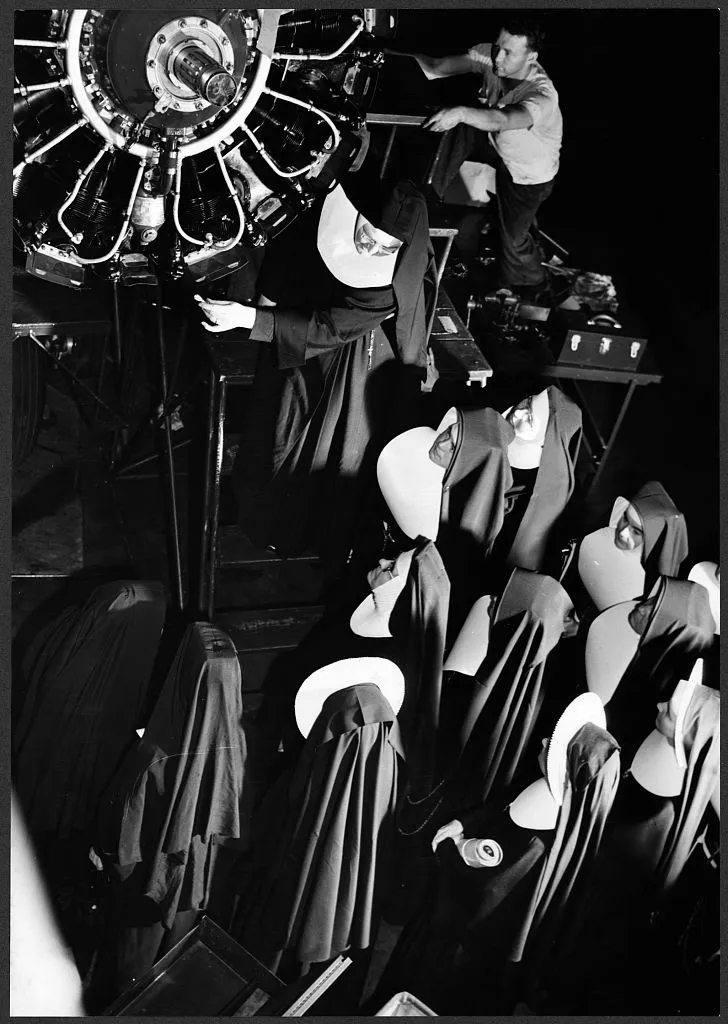
Photo: Ann Rosener, Public domain, via Wikimedia Commons
Somewhere between the pandemic supply chain chaos and the slow retreat of one-hour photo counters from American strip malls, a quieter crisis has been unfolding for the film photography community. Labs are closing. Not all at once, not dramatically — but steadily, in cities and suburbs across the country, the places where your negatives came to life have been switching off their enlargers for the last time.
For photographers in major coastal metros, the situation is manageable — for now. But for anyone shooting film in the Midwest, the rural South, or smaller cities without a dedicated analog scene, the nearest lab might already be a three-hour drive away. And that distance is changing how people shoot, develop, and think about the future of the medium.
The Numbers Behind the Decline
Pinning down exactly how many dedicated film labs remain operational in the US is harder than it sounds — the industry doesn't have a central registry, and plenty of labs operate as side businesses inside camera shops or portrait studios. But the anecdotal evidence is hard to ignore. Online film communities on Reddit and in Facebook groups are peppered with posts asking for lab recommendations in cities that, five years ago, would have had multiple options.
The closures aren't always loud. Sometimes it's a sign in the window of a camera shop that's been there since 1987. Sometimes it's a website that simply stops being updated. The reasons vary — retiring owners who can't find buyers willing to take on specialized equipment, rising commercial real estate costs, and the brutal economics of running a niche service business in an era when your customer base, while passionate, is not exactly enormous.
What's particularly telling is the geographic pattern. Labs in Portland, Brooklyn, Chicago, and Los Angeles have largely held on — some are even thriving. But in places like Omaha, Baton Rouge, or Albuquerque, options have thinned dramatically. For photographers in those cities, the calculation has changed.
What Lab Owners Are Saying
The owners who remain open tend to share a similar story: business has actually picked up from its lowest point, driven by the film renaissance among younger shooters, but the margins remain razor-thin and the equipment is aging. Minilab machines — the Noritsus and Frontiers that produce the quality scans film photographers love — are no longer manufactured. Parts are scarce. When something breaks, finding a technician who knows how to fix it is increasingly difficult.
"The machine is the business," one lab owner in the Southeast told us. "If it goes down and I can't get it back up, that's it. There's no backup plan." That fragility is part of why some owners have made the call to exit on their own terms rather than wait for a mechanical failure to make the decision for them.
For the labs that are adapting, the mail-in model has been a lifeline. Services like Indie Film Lab in Alabama, The Darkroom in California, and Dwayne's Photo in Kansas have built national customer bases precisely because local options have dried up elsewhere. They're not just developing film — they're filling a geographic void.
The Mail-In Reality
For many US film shooters today, mailing your rolls to a lab is simply the norm. The turnaround times have gotten reasonably good — most reputable services return scans within one to two weeks — and the quality from a well-maintained Noritsu is genuinely excellent. The tradeoff is the loss of immediacy and the added cost of shipping, but for photographers in underserved regions, it's not really a tradeoff. It's the only option.
The practical advice here is straightforward: find a lab with a strong reputation, read their film prep guidelines carefully (they vary), and batch your rolls to minimize per-roll shipping costs. Most mail-in labs have detailed FAQs and active social media presences where you can ask questions before committing. The community around these services is often surprisingly warm.
Home Development: Not as Scary as It Sounds
The lab closure trend has pushed a meaningful number of photographers toward home development — and many of them have been pleasantly surprised by how accessible it actually is.
Black-and-white film is the natural starting point. The chemistry is forgiving, the process is well-documented, and the equipment investment is modest. Here's a basic starter list:
- Developing tank and reels (Paterson or Jobo): $30–$50
- Black-and-white chemistry (Kodak D-76 or Ilford ID-11): $10–$15 per batch
- Thermometer: $15–$25
- Changing bag (for loading film in daylight): $20–$30
- Bottles for mixing and storing chemistry: $15–$20
Total startup cost: roughly $90–$145. After that, per-roll chemistry costs drop to under $2.
The process itself — develop, stop, fix, wash, dry — takes about an hour once you're comfortable with it. Countless YouTube tutorials walk through it step by step, and the Shoot35 community forums are full of members willing to answer first-timer questions.
C-41 color processing at home is a step up in complexity, primarily because it requires precise temperature control (102°F), but it's entirely doable with a little patience and a good thermometer. Cinestill's CS41 kit is the most beginner-friendly option on the market right now.
Community Darkrooms: A Hidden Resource
One of the more encouraging developments in the face of lab closures has been the growth of community darkrooms and film co-ops in mid-sized American cities. These spaces — often affiliated with art centers, universities, or photography clubs — offer access to darkroom equipment, shared chemistry, and sometimes even scanning stations for a monthly membership fee that's far more affordable than commercial lab rates.
If you're in a city without a commercial lab, it's worth doing some digging. Search for photography co-ops, community arts centers with darkroom access, or film photography meetup groups in your area. You might be surprised what exists under the radar. And if nothing does exist — well, more than a few of today's community darkrooms started because one frustrated photographer decided to do something about it.
The Bigger Picture
Lab closures are a real challenge for the analog photography world, but they're also catalyzing something interesting. Photographers are learning more about their craft — the chemistry, the process, the physicality of making a negative — rather than simply dropping off rolls and picking up scans. The community is becoming more self-sufficient, more connected across geography through mail-in services, and more resourceful about sharing access to equipment and knowledge.
Film photography has survived the digital revolution, the smartphone era, and a global pandemic. The loss of local labs is painful, but the people who love this medium have a long track record of finding ways to keep shooting. One frame at a time.