What 35mm Film Actually Costs in 2024 (And How to Stop Bleeding Money on Every Roll)
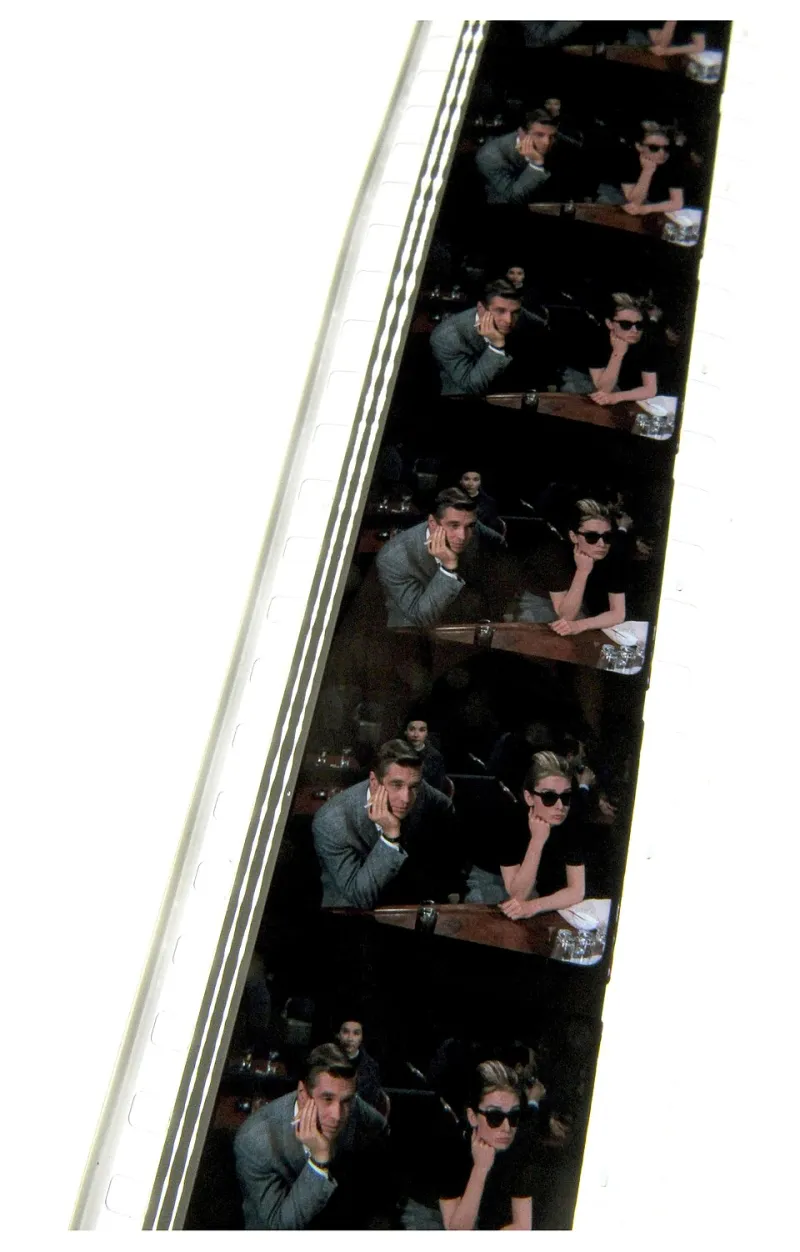
Photo: Archives New Zealand from New Zealand, CC BY-SA 2.0, via Wikimedia Commons
Let's be honest with each other for a second. When most of us got into film photography, we told ourselves it would be a affordable creative outlet. Maybe you picked up a used Minolta at a garage sale for twelve bucks. Maybe a friend handed down their dad's old Canon AE-1. The camera itself felt like a steal. Then you shot your first few rolls, got them developed, and quietly did the math.
Ouch.
The reality of shooting analog in 2024 is that film has quietly transformed into a premium hobby — and the price trajectory over the last decade has been steep enough to give anyone sticker shock. Before you swear off Kodak Portra forever, though, let's actually dig into where your money is going and how to stretch every frame without sacrificing the quality that made you fall in love with film in the first place.
The Price of a Single Roll: Then vs. Now
A 36-exposure roll of Kodak Portra 400 ran somewhere around $10–$12 back in 2015. Today, that same roll regularly retails for $22–$28 depending on where you're buying it. Fujifilm's beloved Superia 400 disappeared from the market entirely. Kodak Gold and ColorPlus — the budget workhorses — have crept up too, often landing between $12–$16 per roll at major US retailers like B&H or Adorama.
The culprits are familiar: supply chain disruptions, raw material costs, and the uncomfortable truth that film manufacturing is a niche industrial process keeping pace with a demand surge that nobody fully anticipated. Kodak Alaris has been transparent about production constraints. Smaller emulsion makers like Cinestill and Lomography have their own pricing realities. The bottom line is that a casual shooter burning through two or three rolls a weekend is now looking at a meaningfully different monthly film budget than they were even five years ago.
Development: The Hidden Multiplier
Here's where budgets really start to spiral. Developing a roll of C-41 color film at a local lab — if you're lucky enough to have one nearby — typically runs $15–$22 for development only. Add basic scans and you're often at $25–$35 per roll. Premium scans on a Noritsu or Frontier scanner? Budget $40–$55.
Black-and-white processing can be slightly more economical through mail-in services, but shipping adds $5–$8 each way if you're not batching orders. Over a year, even a moderate shooter sending in two rolls a month could easily spend $700–$900 on development and scanning alone — before buying a single roll of film.
For context, that's roughly the cost of a decent mirrorless camera body.
Three Real Budget Scenarios
The Casual Weekender — You shoot one roll a month, mostly on weekends and special occasions. You use a mid-tier mail-in lab like The Darkroom or Indie Film Lab.
- Film (1 roll/month, mid-range stock): ~$20
- Development + standard scans: ~$30
- Shipping (round trip): ~$8
- Monthly total: ~$58 | Annual: ~$696
The Enthusiast — You shoot two to four rolls a month, you're selective about your emulsions, and you want quality scans every time.
- Film (3 rolls/month average): ~$65
- Development + quality scans: ~$105
- Shipping: ~$16
- Monthly total: ~$186 | Annual: ~$2,232
The Committed Shooter — You're going through a roll or more per week, mixing color and black-and-white, and you've invested in your own scanner.
- Film (5 rolls/month): ~$105
- Development only (no scans): ~$75
- Scanner amortized cost (Plustek 8200i over 3 years): ~$25/month
- Monthly total: ~$205 | Annual: ~$2,460
None of these include camera maintenance, batteries, or the occasional filter or accessory. Film photography is a real financial commitment — and knowing that upfront is genuinely empowering.
Where You Can Actually Save Money
Buy film in bulk. Purchasing 5-packs or 10-packs instead of single rolls almost always saves 15–25%. Freestyle Photographic Supplies and B&H both regularly run multi-roll deals. If you have a film fridge (a dedicated mini-fridge works fine), buying in quantity makes real sense.
Learn home development. C-41 home kits from Cinestill or Unicolor run about $30–$40 and can process 8–16 rolls depending on dilution. Once you're comfortable with the process, your per-roll development cost drops to under $3. The learning curve is real but manageable — and it puts you back in control.
Batch your lab orders. Most mail-in labs charge the same shipping whether you send one roll or six. Holding onto two or three rolls before mailing saves significantly over time and reduces the per-roll shipping overhead.
Shoot black and white more. B&W film like Ilford HP5 or Kodak Tri-X is generally cheaper per roll than premium color stocks, and home development for black and white is even simpler than C-41. The aesthetic payoff is enormous.
Slow down your shooting. This one sounds obvious, but it's worth saying: film photography rewards intentionality. Shooting 12 well-considered frames beats blasting through 36 on autopilot. Fewer wasted shots means fewer wasted rolls.
Is It Still Worth It?
Absolutely — but with eyes open. Film photography in 2024 asks you to be deliberate with your money just as it asks you to be deliberate with your frames. The tactile experience, the anticipation of waiting for your scans, the grain and color rendering that no preset can fully replicate — none of that has gotten less valuable. If anything, the premium nature of the medium has made people more intentional about why they shoot film.
Budget for it like you would any meaningful creative practice. Know your monthly number, find the efficiencies that work for your shooting style, and invest in the skills — like home development — that pay dividends over time. The cost of film is real. So is the reward.