Loaded for the Moments That Matter: Confessions of a Two-Camera Shooter
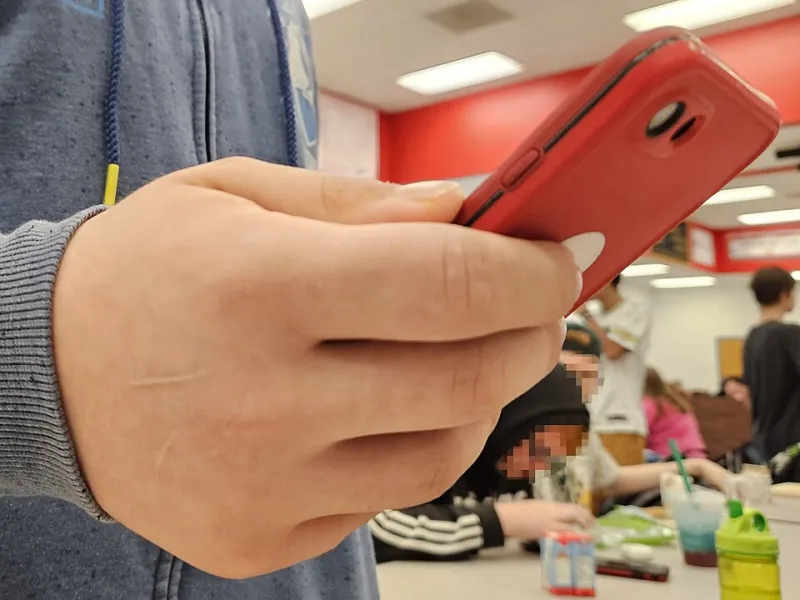
Photo: Flame, not lame, CC0, via Wikimedia Commons
There's a photographer at every wedding, graduation, and Fourth of July cookout now, and you can identify them by their loadout: an iPhone in the left pocket, a well-worn 35mm body hanging at the hip, loaded with something expensive.
They're not luddites. They're not tourists playing dress-up with grandpa's Nikon. They're hybrid shooters, and depending on who you ask, they're either the future of film or the reason a roll of Portra 400 costs what a sit-down dinner costs.
The Workflow: Shoot Everything, Film the Best
The logic is brutally simple. The phone handles the volume — the twenty attempts at the group shot, the parking lot at golden hour, the latte art, all the throwaway frames of daily life. The film camera comes out for the frames that have to count. First steps. The last dinner at grandma's house. The road trip that only happens once.
The result is a fundamentally different kind of roll. Twenty years ago, a 36-exposure canister of consumer film was a random sample of a summer — birthdays, pets, the TV, somebody's thumb. Today's hybrid roll is closer to a curated mixtape. Every frame earned its place. When the lab email arrives, there are no filler shots to delete. It's twelve or fifteen images, and every single one was a decision.
Ask around your local film community and you'll hear the same confession over and over: "I get maybe two rolls back a year now, but they're the two rolls I'd grab in a fire."
The Purist Problem
You can guess the objection. Film was supposed to be about commitment — 36 frames, no deletes, live with your mistakes. The hybrid shooter, critics say, gets to have it both ways: unlimited digital insurance plus the aesthetic cachet of grain. They're using film as a filter, not a discipline.
There's something to that. If your phone shot the same scene a half-second earlier, the film frame is less a photograph than a print of the decision to print.
But here's the counterargument, and I think it wins: the discipline was never really about the number of frames. It was about intention. And the hybrid shooter, whatever their process looks like, has made film the most intentional act in their photographic life. That roll of Portra sitting in the fridge isn't a filter — it's a promise that the next 36 frames will be the ones worth keeping.
Besides, the gatekeeping version of film culture has a convenient blind spot. Plenty of the analog heroes we canonize shot mountains of film on a budget and picked one or two frames per roll to print. The contact sheet was always the volume medium; the print was always the prize. The hybrid shooter just moved the contact sheet to a phone.
What the Labs Are Seeing
Talk to anyone running a film lab in 2024 and the pattern is unmistakable. Volume per customer is down. Quality per roll is up. Labs that once processed a sea of drugstore vacation snapshots now handle fewer, better-kept rolls — shot on better cameras, developed more carefully, scanned at higher resolutions, and actually printed afterward.
The hybrid crowd is also propping up the entire ecosystem. Every wedding photographer who keeps an M6 in the bag, every parent who loads a roll for the first day of school — they're the reason Portra still exists in ten varieties and the reason your local lab survived the pandemic. Film's revival didn't come from purists shooting exclusively analog. It came from people who shoot mostly digital and refuse to let the film habit die.
Flattered, Not Worried
So should the purists worry? No. They should be flattered.
The hybrid shooter has done something the hardcore analog evangelist never could: they've made film the destination rather than the requirement. A generation raised on infinite digital frames looked at everything photography could offer and chose — deliberately, at twenty dollars a roll — to reserve a piece of it for what matters. That's not diluting film culture. That's the strongest vote of confidence film has gotten in forty years.
The phone gets the moments. The film gets the memories. Honestly? That division of labor might be the most honest thing photography has done in a decade.