Cheap Glass, Real Results: How to Hunt Down Vintage Lenses That Actually Deliver
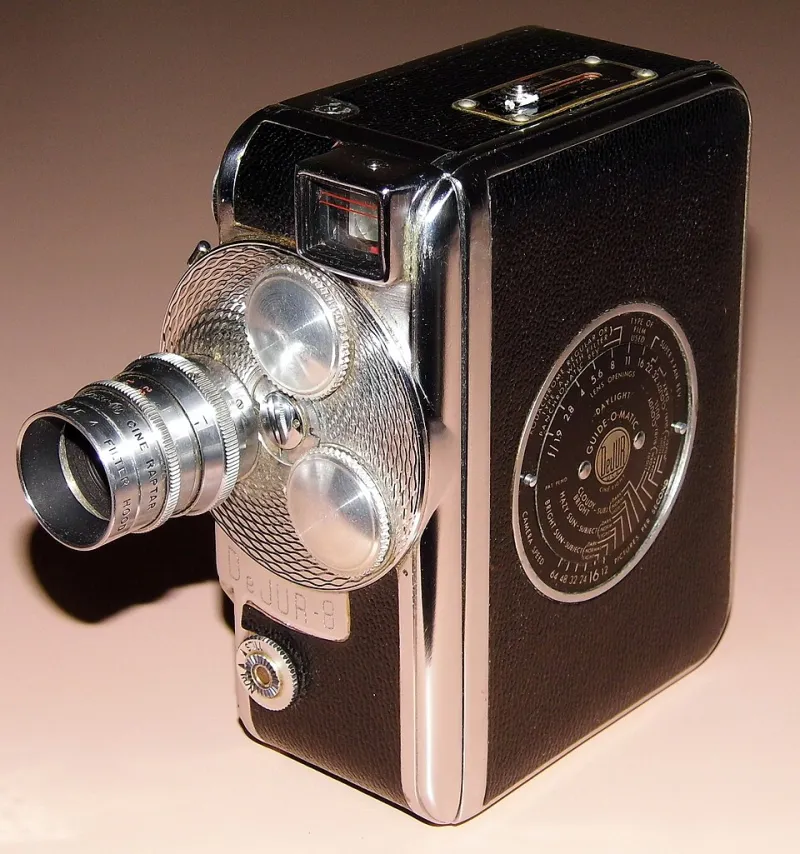
Photo: Joe Haupt from USA, CC BY-SA 2.0, via Wikimedia Commons
Here's the thing about the vintage lens market right now: it's both a goldmine and a minefield, sometimes at the same time. Brand names that used to fly under the radar have been "discovered" by YouTube reviewers, and suddenly a $40 Helios-44 is listing for $120 on eBay. Meanwhile, genuinely stellar glass from lesser-known manufacturers sits ignored in bins at estate sales and camera shows, waiting for someone who knows what they're actually looking at.
That someone should be you. Let's break down how to evaluate a vintage lens on its actual optical merits — not its reputation, not its collector cachet, and definitely not whatever hype cycle it's currently riding.
Start With the Glass, Not the Name
The first thing most people do when they pick up a vintage lens is flip it over to read the brand. Flip it the other way instead. Hold the front element up to a light source — natural light works great — and look through it at an angle. You're scanning for a few things right off the bat.
Fungus is your biggest enemy. It looks like a web of fine white or grayish threads spreading across the element, and it's not just cosmetic. Fungus etches into glass over time, and once it's done that damage, no amount of cleaning brings the contrast back. Light haze that wipes away with a microfiber cloth is usually just dust or oil vapor condensation — annoying but manageable. Fungus that's embedded into the coating or the glass itself is a dealbreaker unless the price is basically free.
Coating condition matters more than most beginners realize. Those purple, amber, and green iridescent sheens you see on lens elements aren't just pretty — they're the anti-reflective coatings that control flare and maintain contrast. Coating that's been rubbed off in circular patterns (classic over-cleaning damage) will scatter light in ways that hurt your images, especially in backlit situations. A lens with slightly dusty coatings beats one with abraded coatings every single time.
Patina versus damage is a distinction worth learning. Slight cleaning marks, minor scuffs on the barrel, even a small amount of internal dust — none of that meaningfully affects image quality. Photographers have been overselling "clean glass" as a requirement forever. A few motes of internal dust won't show up in your frames. A deep scratch across an element absolutely will.
The Aperture Blade Check
Once you've looked at the glass, work the aperture ring through its range and watch the blades. They should snap open and close crisply. Oily aperture blades are a common issue with older lenses — you'll see a slight rainbow sheen on the blades themselves, and the aperture will close sluggishly or not fully stop down. This is actually a repairable problem (a tech can clean the blades), but it should factor into your offer price. A lens with sticky blades that's priced like perfect glass isn't the deal it appears to be.
Also check that the aperture blades form a reasonably round opening at mid-range stops. Bent or warped blades affect your bokeh shape and sometimes indicate the lens has taken a knock at some point in its life.
Focus Smoothness and Helicoid Condition
Run the focus ring from infinity to minimum focus distance and back. It should move smoothly with some resistance — not too stiff, not too loose. Grittiness usually means dried-out or contaminated grease in the helicoid. A loose, sloppy focus ring can mean the grease has degraded to the point where the lens won't hold focus accurately under its own weight when mounted vertically.
Neither condition is catastrophic, but again: price accordingly. A CLA (clean, lubricate, adjust) from a competent repair tech runs $50–$100 for most lenses. If you're buying a lens that needs one, that cost needs to come out of what you're willing to pay.
Underrated Lenses Worth Seeking Out
So which lenses are actually flying under the radar right now? A few worth knowing about:
Vivitar Series 1 lenses — specifically the 28mm f/1.9 and the 90mm f/2.5 macro — were made by Komine in Japan to genuinely high optical standards. They show up at estate sales and thrift stores regularly because the Vivitar brand name doesn't trigger collector instincts. The 90mm macro in particular produces images that hold their own against glass costing five times as much.
Minolta MD and MC glass has gotten some attention but remains undervalued relative to its actual quality. The 50mm f/1.4 and the 35mm f/1.8 are legitimate optical performers. Since Minolta doesn't have the collector mystique of Leica or Zeiss, prices stay reasonable.
Olympus OM Zuiko lenses — especially the 50mm f/1.4 and the 24mm f/2.8 — are exceptional and still available at sane prices if you shop carefully. The OM mount has a loyal following but hasn't hit the speculative pricing that some other systems have.
Pentax Super-Takumar lenses in M42 mount are well-known, but the later SMC Takumar versions with superior multi-coating are often overlooked in favor of the more famous Super-Tak name. The SMC versions frequently outperform their more collectible siblings.
Red Flags That Aren't Worth Talking Yourself Into
Look, it's easy to rationalize a purchase when you're standing at a swap meet and the light is bad and the seller is telling you the lens is "just a little cloudy." So commit these to memory before you go shopping:
- Fungus that's visible from more than a foot away — walk away.
- Elements that are visibly separated (look for a ring of color around the edge where two cemented elements have started to delaminate) — this is called balsam separation and it's expensive to fix.
- A cracked or chipped front element — no, you cannot shoot around it.
- A lens that won't stop down past f/8 due to blade damage or mechanism failure — what you see in the viewfinder won't match your exposures.
- Any lens priced as "collector quality" that has obvious use damage — that's not a deal, that's a contradiction.
The Bottom Line on Budget Glass
The vintage lens market rewards people who do their homework and penalizes people who chase hype. The best deals right now aren't the lenses everyone already knows about — they're the ones that deliver optically but don't have a compelling backstory for resellers to monetize.
Bring a loupe to camera shows. Test the aperture ring before you hand over cash. Learn the difference between cosmetic wear and functional damage. And resist the pull of a famous name on a beat-up lens when a clean example of something less glamorous will actually serve you better behind a camera.
The frame doesn't care what badge is on the glass. It only cares about the light.