Quiet, Small, Deadly Accurate: How Rangefinders Are Outclassing SLRs on the Street
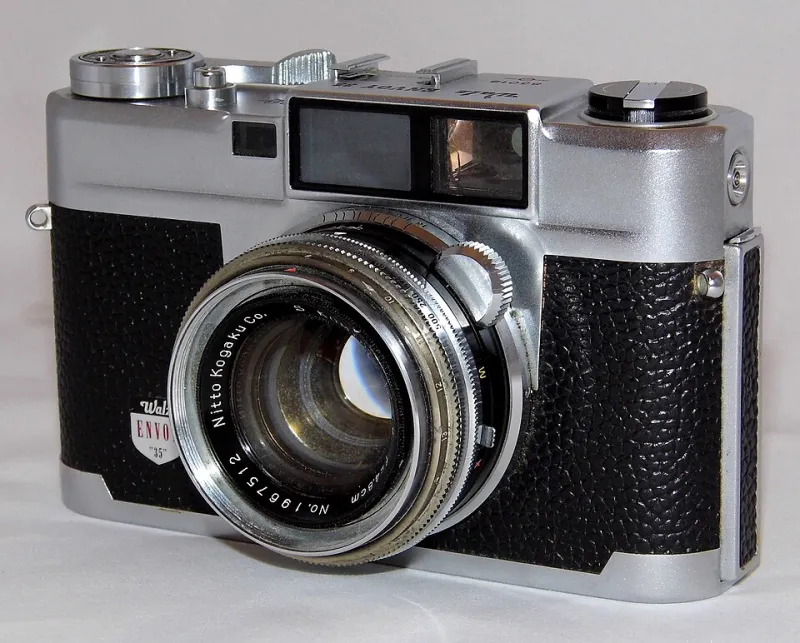
Photo: Joe Haupt from USA, CC BY-SA 2.0, via Wikimedia Commons
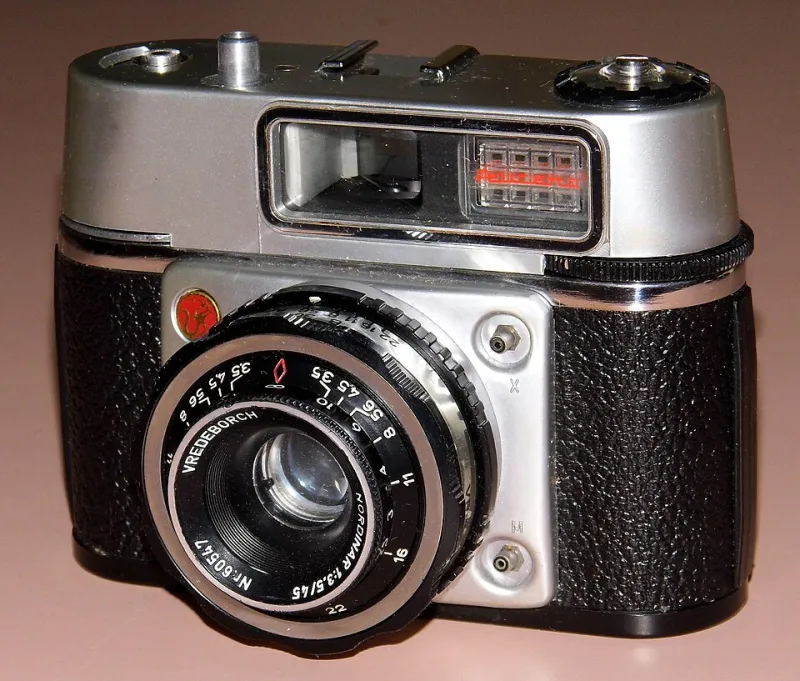
There's a particular kind of photographer you see more and more these days. They're not hauling a camera bag the size of a carry-on. No chunky zoom lens hanging off a massive body. Just a small, understated camera — maybe worn leather, maybe a little brass showing through — hanging from one wrist like it's nothing. Odds are, they're shooting a rangefinder.
The shift has been gradual but unmistakable. Online communities, local film meetups, and camera swap meets across the US are buzzing with renewed interest in rangefinder cameras. The SLR still has its devotees, and rightfully so, but a growing crowd is making the case that for street work, travel, and everyday carry, the rangefinder format is hard to beat.
What Actually Makes a Rangefinder Different
If you've only ever shot SLRs, picking up a rangefinder for the first time feels genuinely strange. There's no mirror. No pentaprism. You're not looking through the lens — you're looking through a separate optical viewfinder off to the side of the camera body. A small, bright patch in the viewfinder shows you two overlapping images, and you focus by aligning them. That's the rangefinder mechanism, and once it clicks for you, it clicks hard.
The practical upside is significant. Without a mirror box, rangefinder bodies are dramatically thinner and lighter. A Leica M6 slips into a jacket pocket in a way no SLR ever will. The shutter is quieter, too — that soft thwack versus the mirror slap of an SLR is a real difference when you're trying to stay unnoticed on a crowded sidewalk in Brooklyn or a farmers market in Portland.
You also get something less obvious but equally valuable: a viewfinder that shows you slightly beyond the frame. You can see what's about to enter the shot before it does. For street photographers, that's not a minor perk — it's a fundamental workflow advantage.
The Cameras Worth Knowing
Leica M-series — Yes, they're expensive. A clean M6 is going to run you $1,500 to $2,500 depending on condition and seller. But Leica's reputation isn't myth. The build quality is extraordinary, the glass ecosystem is unmatched, and these cameras are still being used professionally every day. If budget allows, they're the gold standard.
Yashica Electro 35 — This is where a lot of American film shooters get their first taste of the rangefinder experience, and for good reason. The Electro 35 series, particularly the GT and GSN models, pairs a genuinely sharp 45mm f/1.7 lens with a simple aperture-priority auto-exposure system. They're forgiving, they're fun, and you can find clean examples for under $100 if you're patient.
Canonet QL17 G-III — Canon's compact rangefinder is one of the most beloved affordable options on the used market. The 40mm f/1.7 lens is legitimately excellent, and the camera's small footprint makes it an ideal travel companion. Prices have climbed over the last few years, but $150–$250 still lands you a solid shooter.
Kiev 4 / Kiev 4a — These Ukrainian-made cameras are direct descendants of the Contax II, and they're fascinating pieces of analog history. The build quality is inconsistent — some run beautifully, some need work — but the Zeiss-derived Contax lenses that fit these bodies are genuinely stunning. Budget for a CLA (clean, lube, adjust) from a reputable technician and you could have a remarkable shooter for well under $200 total.
Voigtländer Bessa series — If you want something modern, reliable, and Leica M-mount compatible without the Leica price tag, the Bessa R2 or R3 is your answer. These Japanese-made cameras from the late '90s and early 2000s offer a great entry point into the M-mount lens ecosystem.
How to Evaluate a Used Rangefinder Before You Buy
Buying a used rangefinder blind is a gamble. Here's what to check.
The rangefinder patch itself. This is the most critical element. In dim light or against a bright background, look through the viewfinder at something with a hard vertical edge. The patch should be bright, clearly defined, and the two images should snap together cleanly when you focus. A dim, hazy, or misaligned patch means the rangefinder mechanism needs calibration — not necessarily a dealbreaker, but factor in the cost of a CLA.
The shutter. Fire it at every available speed. Slow speeds (1/8, 1/4, 1/2 second) are where old shutters start to drag. Listen for consistency. A shutter that sounds sticky or hesitant at slow speeds may be gunked up with old lubricant.
The lens glass. Hold it up to a light source and look through it at an angle. You're hunting for haze (fungus or separation), deep scratches, or oil on the aperture blades. Minor dust is fine — it won't show in your photos. Haze will.
Light seals. Open the back and inspect the foam seals around the door. Old foam turns to sticky black goo and lets light in. Replacing seals is a cheap DIY fix, but it's worth knowing upfront.
The film advance and rewind. Advance a few frames on an empty camera. It should feel smooth and consistent. Test the rewind knob too — it should offer gentle resistance when turned.
If you're buying online, stick to sellers with solid return policies or established reputations on platforms like KEH, Adorama's used department, or reputable eBay sellers with detailed photos and descriptions.
The Learning Curve Is Worth It
Rangefinder shooting demands a different kind of attention. You can't rely on the SLR habit of staring straight through the lens. You have to learn to pre-focus, to think in distances, to anticipate the frame rather than just react to it. Some photographers find this frustrating at first. Most find that within a roll or two, something shifts — and they start seeing differently.
There's also something to be said for the social dynamic. A small, quiet camera is less intimidating to people on the street. It doesn't announce itself. It doesn't look like a professional setup demanding attention. It just looks like someone with a camera, and that invisibility is worth a lot when you're trying to capture something real.
The rangefinder renaissance isn't about nostalgia for its own sake. It's about a format that genuinely suits a certain kind of shooting — deliberate, quiet, intimate — and a community of photographers who've figured that out. Whether you're eyeing a Leica or just curious about picking up a Canonet, there's never been a better time to find out what the fuss is about.
Load a roll. Find a busy corner. See what happens when you slow down and let the camera disappear.